




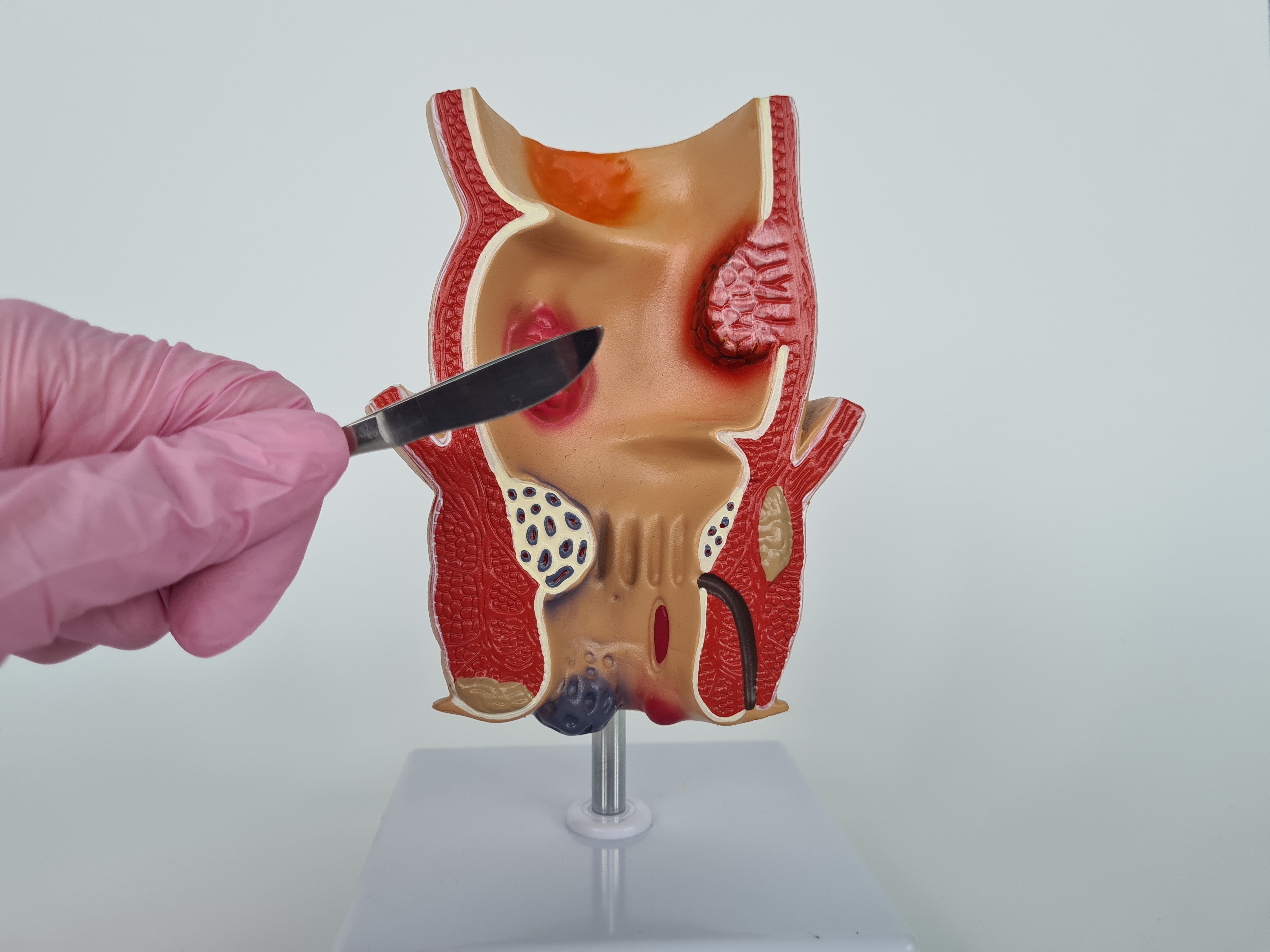
Understanding anal fistula symptoms is an important first step toward getting the right care. An anal fistula is a small tunnel that forms between the inside of the anal canal and the skin surrounding the anus, often developing after an infection or abscess in that area. While this condition can cause persistent discomfort, it is treatable, and many patients find significant relief after working with an experienced colorectal specialist. If you are noticing unusual symptoms in the perianal region, the board-certified surgeons at Arizona Colorectal Experts (ACE Clinic) in Chandler, Arizona, are here to help.
What Are the Common Anal Fistula Symptoms?
Anal fistula symptoms can vary in severity from person to person, but several signs commonly prompt patients to seek evaluation. Recognizing them early can make a meaningful difference in comfort and overall well-being.
Persistent or Recurrent Perianal Discharge
One of the most frequently reported anal fistula symptoms is a persistent discharge of blood, pus, or fluid near the opening of the anus. This discharge may come and go or be ongoing. The discharge can sometimes cause skin irritation or a feeling of moisture in the area, which many patients find bothersome. If you have symptoms like these, a colorectal evaluation can help identify the source.
Pain and Discomfort
Localized pain or aching around the anus is another common symptom. The discomfort may worsen during bowel movements, when sitting for extended periods, or during physical activity. In some cases, the pain may be associated with swelling or tenderness around the perianal skin. These symptoms are often linked to inflammation along the fistula tract. Related anorectal concerns, such as hemorrhoids or anal itching, can sometimes present alongside a fistula, making a thorough professional evaluation especially valuable.
Skin Irritation and Recurring Infections
Because a fistula tract can allow bacteria to travel between the bowel and the skin surface, recurring perianal infections or abscesses are common. Patients may notice redness, warmth, or swelling near the anal opening. Skin irritation from ongoing moisture or discharge is also common. If you have had more than one perianal abscess, it is worth discussing the possibility of an underlying fistula with a specialist, as the two conditions are closely connected. You can learn more about related colorectal conditions through the patient resources available at ACE Clinic.
What Causes Anal Fistulas and Who Is at Risk?
An anal fistula most commonly develops following an anal abscess. When an abscess forms in one of the small glands inside the anal canal and does not heal properly after draining, a tunnel can form between that internal point and the outer skin. Understanding the underlying causes can help patients make sense of their symptoms and feel more confident discussing them with a provider.
Common Underlying Causes
The majority of anal fistulas arise from a previous or current anal gland infection. However, several other conditions may also be associated with fistula development. Crohn’s disease, an inflammatory bowel condition, is a recognized risk factor, as chronic inflammation in the digestive tract can affect tissue integrity in the perianal area. Other contributing factors may include trauma, prior anorectal procedures, and in some cases, certain infections. Patients who have had a pilonidal cyst may also be familiar with the type of tissue tunneling that can occur in nearby areas.
Who Tends to Experience These Symptoms
Anal fistulas can affect adults of all ages and backgrounds. Research suggests that they occur more frequently in males, though they can develop in anyone. Individuals with a history of recurrent perianal abscesses, inflammatory bowel disease, or compromised tissue healing may face a higher likelihood of developing this condition. A thorough clinical evaluation, which may include imaging or an in-office examination, helps the provider understand the fistula’s anatomy and determine the best path forward. The team at ACE Clinic brings extensive experience evaluating and managing a wide range of anorectal conditions.
When Should You Seek Care for Anal Fistula Symptoms?
Anal fistula symptoms do not typically resolve on their own. Because a fistula is a structural channel in the tissue, it generally requires professional evaluation and, in most cases, a procedural approach to address the tract. Knowing when to seek care helps you act at the right time.
Signs That Warrant a Prompt Evaluation
If you are experiencing any of the following, scheduling a consultation with a colorectal specialist is a reasonable and proactive step: recurring perianal discharge that does not clear up, pain that has persisted for more than a few days, swelling or warmth near the anus that returns after previous treatment, or a visible opening on the skin near the anal area. These signs may indicate a fistula tract and suggest that conservative measures alone are unlikely to provide lasting relief.
How Anal Fistulas Are Addressed
Treatment for an anal fistula is individualized based on the fistula’s anatomy, complexity, and the patient’s overall health. Options may include surgical procedures designed to open or remove the fistula tract, allowing the tissue to heal properly. At ACE Clinic, the surgeons offer advanced options including robotic colorectal surgery for appropriate candidates, which may support greater precision during complex procedures.
Why Choose Arizona Colorectal Experts in Chandler, Arizona?
At Arizona Colorectal Experts, patients in Chandler and throughout the greater Phoenix area have access to a team of highly trained, board-certified colorectal surgeons. Dr. Hekmat Hakiman (FACS, FASCRS), Dr. Arpit Patel (FACS, FASCRS), and Dr. Shawn Webb (FASCRS) are each certified by the American Board of Colon and Rectal Surgery and bring many years of dedicated colorectal care experience. This depth of specialization means patients presenting with anal fistula symptoms are evaluated by surgeons who focus exclusively on this area of medicine.
The practice offers advanced technology, including robotic colorectal surgery, and takes a thoughtful, patient-centered approach to every consultation. To learn more about the team and their approach, visit the ACE Clinic practice page. Whether you are in the early stages of research or ready to schedule a visit, the team is here to answer your questions clearly and with care.
Frequently Asked Questions About Anal Fistula Symptoms
Can anal fistula symptoms go away without treatment?
Because a fistula is a formed channel in the tissue, symptoms are unlikely to resolve on their own without addressing the underlying tract. Most patients find that symptoms persist or return over time. A colorectal specialist can evaluate your situation and explain what options may be appropriate based on your specific circumstances. Seeking care early is generally beneficial.
How is an anal fistula diagnosed?
Diagnosis typically begins with a clinical history review and a physical examination of the perianal area. In some cases, imaging such as an MRI may be used to map the fistula tract and understand its relationship to surrounding structures. At ACE Clinic, the board-certified surgeons use their extensive clinical experience to guide the diagnostic process and develop an individualized care plan for each patient.
Are anal fistula symptoms similar to hemorrhoid symptoms?
Some symptoms can overlap, including discomfort, discharge, and skin irritation. However, the underlying causes and treatment approaches differ. Hemorrhoids involve swollen vascular tissue, while a fistula is a tunnel in the tissue. A thorough evaluation helps distinguish between these and other anorectal conditions. You can also review information about hemorrhoid symptoms and diagnosis on the ACE Clinic website.
Is surgery always required for an anal fistula?
In most cases, some form of procedural intervention is recommended, as fistulas rarely close without treatment. The specific approach depends on the type and complexity of the fistula. Your surgeon at ACE Clinic will review all clinically appropriate options with you, including whether minimally invasive or robotic surgical techniques may be suitable for your situation.
Take the Next Step Toward Comfort and Clarity
If you are experiencing anal fistula symptoms in Chandler, Arizona, or the surrounding area, the board-certified colorectal surgeons at Arizona Colorectal Experts are ready to help. Schedule a consultation to meet a specialist with the experience and technology to support your care from evaluation through treatment.
